Recycling and Sustainability at Gardening Blackfriars
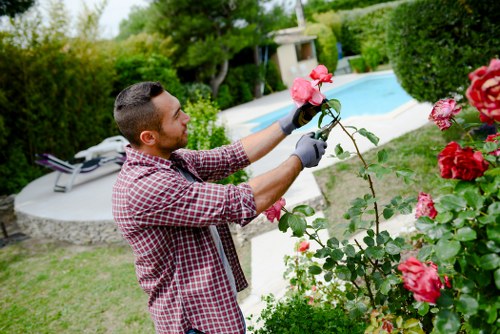 Gardening Blackfriars champions recycling and sustainability across every green space we manage. Our eco-friendly waste disposal area is designed to keep soil, twigs and plant cuttings out of landfill while returning nutrients to the local landscape. In practice this means separating green waste at source, setting up secure on-site compost bays and coordinating collections that prefer reuse over disposal. These actions are central to our mission to make sustainable gardening in Blackfriars a practical everyday choice for residents and businesses alike.
We set pragmatic targets to track progress: our current recycling percentage target is 70% of all gardening waste diverted from residual bins within three years, with an ambition to reach 80% for organic and recyclable materials by 2028. Low-carbon vans handle transfers to reduce emissions, and we monitor fuel use and route efficiency to support our low-emission logistics. Eco-friendly waste disposal here is more than a slogan — it is embedded in vehicle choices, collection patterns and site-level segregation.
 The surrounding boroughs' approach to waste separation supports our systems: separate garden waste collections, food caddies for compostable material and clear dry-recycling streams for glass, paper, card and mixed plastics. We work alongside local authorities to align our on-site separation with kerbside rules, making it easy for neighbours to follow a single, consistent separation method. That coordination helps reduce contamination, increase recycling rates and speed processing at local transfer stations.
Practical Steps for a Sustainable Rubbish Gardening Area
To create a robust sustainable rubbish gardening area we prioritise soil health, material reuse and closed-loop systems. Beds are topped up with screened compost produced from green waste, pruning is sorted into biomass heaps for mulching, and durable items such as pots, frames and tools are cleaned and reused rather than discarded. We also label segregation points clearly so volunteers, staff and contractors can quickly place materials into the correct stream.
 Partnerships with charities are a key part of our approach. We donate surplus compost, soil and reusable planters to local community groups, food projects and wellbeing charities. These partnerships reduce waste, extend the useful life of materials and amplify community benefit. By supporting local reuse centres we help keep healthy topsoil and useful equipment in circulation instead of sending them to a transfer station as waste.
Core activities include:
- On-site composting: Layered aerobic systems to produce screened compost for beds.
- Mulching and biochar trials: Turning prunings and woody waste into mulches and soil conditioners.
- Material reuse and redistribution: Partnering with charities to rehome pots and tools.
- Green logistics: Low-carbon vans and optimised collection routes to local transfer stations.
Local Transfer Stations, Logistics and Borough Coordination
We coordinate with nearby transfer stations that process green and mixed garden recyclables, choosing facilities that emphasise composting and anaerobic digestion over incineration. Our routing plans prioritise these partner sites to ensure the lowest possible carbon impact for transported loads. Many boroughs now encourage separate collection of garden and food waste, and this policy alignment makes it simpler for Gardening Blackfriars to aggregate clean streams destined for high-value recycling.
 Monitoring and transparency matter. We publish quarterly performance summaries of our recycling percentages and vehicle emissions reductions so community stakeholders can see progress. Targets like 70–80% recycling for garden and organic waste are accompanied by process checks: contamination audits, compost quality tests and regular reviews of collection efficiency. These checks help us refine the sustainable gardening waste area and keep environmental outcomes front and centre.
 In closing, Gardening Blackfriars aims to make sustainable rubbish gardening practical and replicable. By aligning with borough separation rules, using low-carbon vans, partnering with charities, and prioritising local transfer stations and on-site composting, we close resource loops and reduce carbon. We believe the future of urban green space depends on thoughtful recycling and sustainability interventions that keep materials moving back into the soil and community rather than into landfill — practical, local and low-carbon.