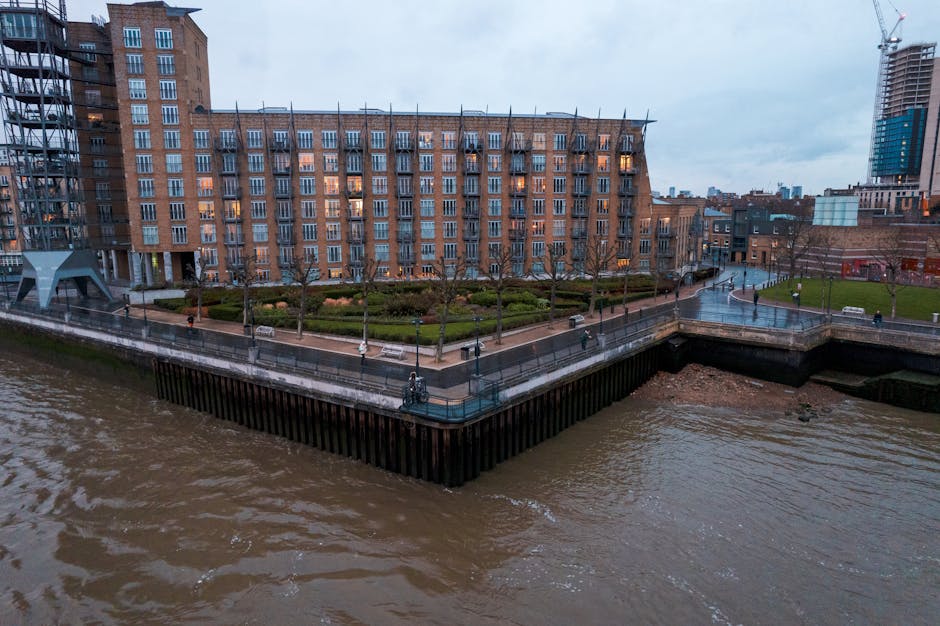
Thames Embankment gardeners and landscape care near St Pauls
If you care for gardens, planted terraces, frontage spaces, or riverside outdoor areas near St Pauls, you already know this part of London asks for a different standard. Wind off the Thames, reflected heat from stone and glass, tight access, foot traffic, pollution, shade, and sudden weather changes all shape how planting and upkeep behave here. Thames Embankment gardeners and landscape care near St Pauls is not just about making things look neat on a nice day. It is about keeping outdoor spaces alive, safe, and presentable in a place that works hard for a living.
That can mean regular maintenance, careful pruning, seasonal planting, lawn care where turf is realistic, or more robust landscape choices where soft planting struggles. It can also mean making sensible decisions about materials, drainage, access, and long-term resilience. In other words: the details matter. A lot.
This guide breaks down how riverside landscape care works near St Pauls, what to expect from a good gardener or landscaper, and how to avoid the common mistakes that cause endless extra work later. If you are comparing options, planning a one-off tidy-up, or trying to set up a longer-term maintenance routine, you will find the practical bits here.
Why Thames Embankment gardeners and landscape care near St Pauls Matters
Landscape care near the Thames is shaped by the environment first and the planting second. That is the honest truth. You are dealing with a corridor that can feel exposed and bustling, yet also oddly sheltered in pockets, depending on buildings, walls, and river alignment. Plants get battered by wind, containers dry out faster than you expect, and surfaces pick up grime from city life. What looks fine in a quiet suburban garden can look tired very quickly here.
Near St Pauls, there is also the visual context to think about. Visitors, office workers, residents, and passers-by all notice the same thing: if a planted area is scruffy, it stands out. If it is well kept, it quietly lifts the whole street scene. That is why regular care matters. It supports the image of the space, but it also protects the structure of the planting itself.
There is a practical side too. River-adjacent and high-traffic environments tend to create repeat issues: compacted soil, litter, weed pressure, moss on hard surfaces, inconsistent watering, and the occasional broken branch after a blustery night. A gardener who understands those patterns can prevent small issues from turning into larger, more expensive repairs.
If you want a service overview that sits alongside this sort of work, the services overview is a sensible place to understand the wider range of garden and landscape support available. For day-to-day upkeep, garden maintenance is usually the backbone of everything else.
How Thames Embankment gardeners and landscape care near St Pauls Works
The job usually starts with a walk-through and a reality check. Not a glamorous bit, but a useful one. A good gardener or landscaper will look at access, sunlight, exposure, irrigation, drainage, existing planting, hard landscaping, and how the space is actually used. A balcony planter, a courtyard, a riverside edge, and a small frontage all need very different approaches.
After that comes the plan. In practice, this often means deciding what needs immediate attention, what can be improved over time, and what should be replaced rather than endlessly patched. For example, if a hedge has gone woody and uneven, trimming alone may not be enough. If a lawn is thin because shade and foot traffic are constant, then a simple mowing schedule will not fix the underlying problem. Sometimes the right answer is maintenance. Sometimes it is redesign. Bit of both, really.
Routine care near the Thames often includes:
- deadheading, weeding, and general tidying
- pruning shrubs and climbers before they become unruly
- refreshing planting schemes with tougher, site-appropriate choices
- checking containers, soil condition, and watering needs
- keeping paths, steps, and edging clear and safe
- removing debris after storms or high winds
- monitoring hedges and small trees for size, shape, and safety
For more targeted work, services such as hedge trimming, lawn mowing, and tree lopping and removal can be part of a broader maintenance plan. If you are dealing with an overgrown site or a reset is needed, garden clearance may be the cleanest starting point.
Key Benefits and Practical Advantages
Good landscape care is not only about appearances, though that matters more than people like to admit. It also reduces stress. You notice it when you walk past a space every day and it simply looks managed. No dead corners. No floppy stems blocking sightlines. No muddy edges. It feels calmer. That quiet sense of order is a real benefit in busy central London.
Here are the biggest practical gains:
- Better presentation: clean, structured planting makes a strong first impression.
- Longer plant life: regular attention catches problems before they spread.
- Safer access: clear paths, trimmed growth, and maintained edging reduce trip risks.
- Lower replacement costs: early intervention often costs less than a full replant.
- More usable space: when planting is under control, the area actually works for people.
- Better seasonal performance: the right timing improves flower, foliage, and growth quality.
In a riverside or city-centre setting, maintenance is also about resilience. Plants that survive here tend to be the ones that are chosen carefully and looked after consistently. The difference between a thriving planter and a tired one is often only a few sensible habits. Nothing fancy. Just consistency.
Expert summary: Near St Pauls and the Thames Embankment, the best landscape care is usually the care that works with the site, not against it. Durable planting, reliable maintenance, and tidy hardscape details beat constant emergency fixes every time.
Who This Is For and When It Makes Sense
This kind of service suits a wide mix of people and property types. You might be a building manager responsible for a shared outdoor frontage. You might be looking after a business entrance that needs to look decent every weekday morning. You might be a homeowner with a compact urban garden, or a facilities team member trying to keep a planted terrace presentable with minimal disruption. Different situation, same core need: dependable upkeep in a demanding environment.
It tends to make sense when one or more of these is true:
- the space is near the river and gets exposed to wind or drying conditions
- the planting looks tired even after occasional tidy-ups
- weeds, moss, or debris return quickly
- the area needs to look good for clients, residents, or visitors
- access is awkward and requires careful planning
- the current layout is too maintenance-heavy for the time available
It also makes sense if you are unsure whether the space should stay planted as it is. Sometimes a better landscape design is simply one that asks less of you. That is not a failure. It is good management. If you are considering a broader refresh, landscape gardening and landscaping can help shift a difficult site into something more workable.
Step-by-Step Guidance
If you are planning Thames Embankment gardeners and landscape care near St Pauls for the first time, a simple process keeps things manageable. You do not need to overcomplicate it. In fact, the more awkward the space, the more useful a steady method becomes.
- Assess the site properly. Look at sun, shade, wind, water access, drainage, footfall, and any structural limitations.
- Decide what is maintenance and what is design. Some problems are solved by pruning or feeding. Others need replanting or layout changes.
- Remove the clutter first. Clear debris, dead growth, and anything blocking access or hiding issues.
- Prune and shape. Cut back plants to improve form, light, and air movement. Avoid hard pruning unless the plant type and season allow it.
- Refresh the soil and planting medium. Containers and beds in exposed settings often need top-ups or replacement compost more often than you think.
- Replant strategically. Choose plants that suit the conditions, not just the catalogue photo. Tempting, yes. Wise, not always.
- Set a maintenance rhythm. Weekly, fortnightly, or monthly visits should match how fast the site changes.
A lot of people skip step two and regret it later. They keep treating a design problem as if it were a maintenance problem. Then the same issue returns. Again and again. A good local team will tell you when the answer is simpler than you hoped, or slightly more involved than you expected.
Expert Tips for Better Results
There are a few habits that make a noticeable difference in river-facing and city-centre landscape care. They are not exotic. They are just the kind of practical detail that keeps a space from sliding backwards.
- Choose tougher plants than you think you need. Near the Thames, exposed planting often needs resilience more than novelty.
- Use structure. Evergreen backbone planting helps a space look intentional all year, even when seasonal flowers are between flushes.
- Watch watering carefully. Containers near hard surfaces dry out quickly in summer, yet they can also sit too wet after poor drainage or heavy rain.
- Don't overfeed. Excess feed can create soft growth that struggles in wind and fluctuating conditions.
- Keep access clear. A neat path is not just tidier; it makes maintenance safer and quicker.
- Build in seasonal flexibility. What works in April may look leggy by August. That is normal, by the way.
One small, practical observation: in places like this, the best-looking spaces are often the ones that accept a bit of change through the seasons. They do not try to look identical in January and July. They just stay coherent. That's the trick.
If you want advice from a team that understands regular upkeep as well as the bigger picture, it helps to look at about us before making any decisions. It tells you a bit about the approach behind the work, not just the work itself.
Common Mistakes to Avoid
Most landscape problems near St Pauls do not come from one dramatic failure. They come from a stack of small assumptions. The site is forgiving for a while, then it suddenly is not.
- Picking plants for looks alone. A plant that is lovely in a sheltered courtyard may struggle on an exposed embankment.
- Assuming lawn is always the answer. In heavy shade, narrow areas, or high-traffic spots, turf can become a maintenance headache.
- Ignoring drainage. Wet feet are a real issue for many plants, especially in containers and compacted beds.
- Leaving pruning too late. Overgrown hedging and shrubs become harder to shape cleanly if left for too long.
- Trying to do everything at once. A rushed overhaul often creates more mess than progress.
- Forgetting the human side. The space has to function for people, not just look tidy from a distance.
And this one crops up a lot: people underestimate access. If tools, waste removal, and movement through the site are awkward, the whole job gets slower and costlier. Not impossible. Just more involved. It's the sort of thing that seems small until the first wheelbarrow has to squeeze through a narrow route in the rain.
Tools, Resources and Recommendations
A decent maintenance plan relies on the right tools, but not in a flashy way. Nothing here is about gadget obsession. It is about getting the basics right and using them consistently.
Useful equipment and supplies often include:
- sharp secateurs and loppers for pruning cleanly
- hedge trimmers for straight, controlled shaping
- lightweight blowers or rakes for leaf and debris removal
- watering cans or irrigation checks for container plantings
- soil improvers and mulch to support moisture retention
- suitable grasses or groundcovers where turf is practical
- durable containers and planting media for exposed positions
For clients comparing support levels, it is worth looking at the broader package. A service that only handles one-off cutting may not be enough for a busy riverside site. By contrast, an ongoing plan built around regular garden maintenance often keeps the work predictable and reduces the need for emergency callouts. If the site has suffered neglect or an event like a tenant change, a one-time garden clearance can reset things properly before maintenance begins.
On the operational side, it is also sensible to check practical support pages such as pricing and quotes, insurance and safety, and health and safety policy if you are choosing a contractor for a managed site. That is not red tape for the sake of it. It is just good due diligence.
Law, Compliance, Standards, or Best Practice
Landscape care in central London usually sits within a mix of practical responsibilities rather than one single rulebook. You may need to think about access arrangements, worksite safety, waste handling, noise, preservation of neighbouring property, and any building-specific requirements. If trees are involved, extra care is needed because pruning or removal may be subject to permissions or additional restrictions depending on location and status. It is always better to check than to assume.
For most day-to-day gardening and landscape work, best practice means doing the following well:
- working safely around the public and building occupants
- using appropriate tools and personal protective equipment
- keeping paths, exits, and access routes unobstructed
- handling waste responsibly
- avoiding damage to walls, paving, planting, and drainage features
- recording the maintenance schedule so nothing is missed
If the site has multiple users or sensitive access needs, the contractor should be able to explain how work will be carried out with minimal disruption. That includes timing, noise, waste removal, and any temporary barriers or controls. A trustworthy team will usually talk this through without making it feel like a lecture. Nice and plain. Which is how it should be.
It can also be useful to read service pages such as complaints procedure and payment and security if you want clarity before booking. Again, not exciting. Very useful, though.
Options, Methods, and Comparison Table
There is no single best approach for every site near the Thames Embankment. The right choice depends on the amount of care the space can realistically receive, how visible it is, and whether you want a soft planted look or a more controlled, low-maintenance finish.
| Approach | Best for | Strengths | Watch-outs |
|---|---|---|---|
| Routine maintenance only | Established planting that already suits the site | Keeps costs steady, avoids major disruption, maintains appearance | Can become reactive if the planting is not site-appropriate |
| Maintenance plus light redesign | Spaces that work, but need tougher planting or better structure | Balances cost and improvement, often practical for busy sites | Requires a thoughtful plan and realistic expectations |
| Full landscaping refresh | Overgrown, failing, or poorly laid out areas | Solves underlying problems, can greatly improve usability | More upfront planning and usually more disruption |
| Harder landscaping with reduced planting | Exposed or high-traffic spaces with limited growing conditions | Lower upkeep, cleaner lines, often more resilient | Less softness and seasonal change |
For some properties, a more structural solution is the answer. That might mean adding better edging, improving surfaces, or introducing features such as decking services where a defined outdoor zone makes sense. For others, the planting itself is the main event, and the focus should stay on pruning, feeding, and seasonal refreshes. There's no prize for choosing the most complicated route.
Case Study or Real-World Example
Here is a realistic example. A small riverside frontage near St Pauls had looked acceptable in spring, but by late summer it was tired: leggy shrubs, patchy containers, moss on the paving, and a few plants that had clearly never loved the wind. The brief was simple on paper: make it presentable and keep it manageable.
The first visit focused on clearance and assessment. Dead material was removed, container planting was refreshed, and the weak points were identified. Rather than replacing everything, the team kept the strong evergreen structure and swapped in tougher seasonal colour where it would actually thrive. The paving was cleaned, the hedge was rebalanced, and a maintenance rhythm was set for the months ahead.
The result was not dramatic in a flashy way. It was better than that. The space stopped fighting itself. It looked settled, tidy, and intentional. The client did not need a weekly rescue job anymore, just regular upkeep. Truth be told, that is often the real win in city landscape care: less drama, more stability, and a space that quietly does its job.
That kind of outcome is why choosing a well-matched service matters. Whether the need is planting support, landscaping, or routine visits, the goal is the same: make the site easier to live with and easier to maintain.
Practical Checklist
Use this checklist before booking or planning work near the Thames Embankment. It will save time later. Probably a bit of money too.
- Do I know whether the space needs maintenance, redesign, or both?
- Is the area exposed to wind, shade, heat reflection, or heavy foot traffic?
- Are there access issues for tools, waste, or equipment?
- Do I want a planting-heavy look, a lower-maintenance layout, or a mix?
- Are there hedges, shrubs, or small trees that need specialist attention?
- Has the soil, compost, or planting medium been assessed recently?
- Is there a sensible schedule for watering and seasonal care?
- Do I need a one-off reset before regular maintenance begins?
- Are safety, insurance, and working practices clear to me?
- Do I know how to ask for a quote and what the quote should cover?
If you can answer most of those without guessing, you are already ahead of the game. If not, no problem. That is exactly the point of taking a structured approach.
Get a free quote today and see how much you can save.
Conclusion
Thames Embankment gardeners and landscape care near St Pauls works best when it is grounded in the reality of the site. The river environment, city centre pressure, and visual expectations all shape what counts as good care. In practice, that means choosing resilient planting, maintaining it consistently, and being honest about when a space needs more than tidying.
The best results usually come from simple discipline: assess properly, clear the clutter, prune with purpose, and build a maintenance rhythm that fits how the space is used. Get those basics right and everything else becomes easier. Not effortless, but easier. And in central London, that counts for a lot.
If you are ready to bring order, structure, and a little breathing room back to a riverside or St Pauls-area garden, start with the practical step of asking for clear advice and a tailored plan. A well-kept space does more than look good. It makes the day feel lighter, somehow.
Frequently Asked Questions
What makes Thames Embankment gardens different from other London gardens?
They are usually more exposed to wind, drying conditions, pollution, and heavy foot traffic. That means plant choice, watering, and upkeep all need a more resilient approach than you might use in a sheltered suburban garden.
How often should landscape care be carried out near St Pauls?
It depends on the site, but many central London spaces benefit from regular visits rather than occasional big clean-ups. Weekly, fortnightly, or monthly patterns can all work if they match the pace of growth and use.
Is lawn care realistic near the Thames Embankment?
Sometimes yes, but not always. Small turf areas can work in the right spot, while shady, narrow, or high-traffic areas may be better served by planting, groundcover, or hard landscaping. A lawn is not automatically the answer.
Do I need garden clearance before maintenance starts?
If the space is overgrown, cluttered, or full of dead material, clearance is often the best first step. It gives the gardener a clean view of the site and makes a proper maintenance plan much easier.
What plants usually cope best in exposed riverside conditions?
Hardy, drought-tolerant, and structure-led plants often perform better than soft, delicate choices. The exact mix depends on light, drainage, and how much care the area can receive, but resilience should lead the shortlist.
Can hedge trimming make a big difference to a small urban garden?
Absolutely. Even a modest hedge or boundary shrub can dominate a space if it gets overgrown. Trimming improves shape, light, and access, and it often changes the whole feel of the area.
What should I ask before choosing a gardener or landscaper?
Ask what they think the space needs, how they would approach access and safety, whether they recommend maintenance or redesign, and what would be included in the quote. Clear answers are usually a good sign.
How do I know whether my space needs landscaping rather than maintenance?
If the same problems keep returning despite regular care, the layout or planting may be the issue. A good landscaper will tell you whether maintenance can solve it or whether structural changes are needed.
Are safety and insurance important for this kind of work?
Yes, very. Work near shared access routes, roads, or public-facing spaces needs proper care. It is sensible to check insurance, working practices, and health and safety information before booking.
Can a low-maintenance design still look attractive near St Pauls?
Definitely. In fact, low-maintenance does not mean dull. The trick is using structure, texture, and durable planting so the space still looks thoughtful without demanding constant attention.
What is the best first step if my garden looks tired and messy?
Start with a site assessment and a tidy reset. From there, you can decide what should be cleared, what should be kept, and whether the next step is maintenance, replanting, or a broader landscape refresh.