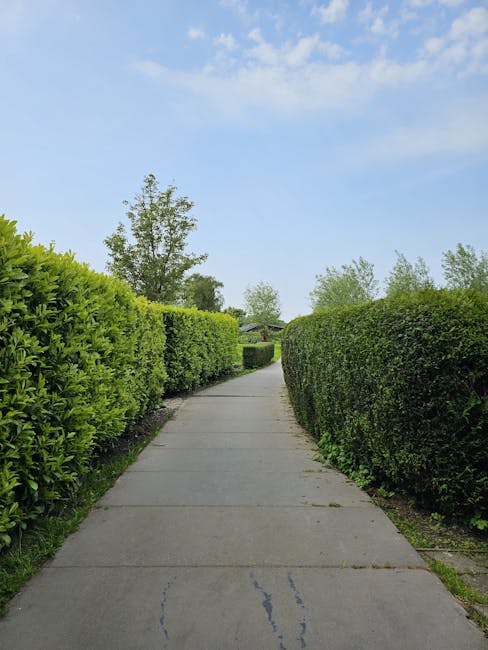
EC4 gardeners for courtyard gardens around Fleet Street

If you are looking for EC4 gardeners for courtyard gardens around Fleet Street, you are probably dealing with a space that is small, awkwardly shaped, and far more demanding than it looks from the window. Courtyard gardens in this part of London can be lovely, but they also throw up a few classic challenges: shade from tall buildings, limited access, hard surfaces that get slippery, and planting areas that dry out faster than you would expect. The good news? With the right approach, even a compact courtyard can feel calm, green, and surprisingly generous.
This guide explains what professional courtyard gardening involves, why it matters in the EC4 and Fleet Street area, and how to plan work that actually suits the space rather than fighting it. We will look at maintenance, design decisions, common mistakes, and a realistic step-by-step process you can use whether you want a tidy refresh or a more complete transformation.
Why EC4 gardeners for courtyard gardens around Fleet Street Matters
Courtyard gardens in central London are not just smaller versions of suburban gardens. That is the first thing to understand. They tend to be enclosed by brick, stone, fencing, or neighbouring buildings, which changes light levels, airflow, moisture, and even the way sound travels. A courtyard around Fleet Street may feel quiet and tucked away, but it still has to work hard: for first impressions, for relaxation, and sometimes for staff or residents who only get a brief moment outside.
Good courtyard gardening matters because small spaces magnify every decision. One poorly chosen plant can make the whole area look cluttered. One drainage issue can turn a neat paved corner into a damp mess. One neglected hedge or climber can begin to dominate. To be fair, this is where experienced local gardeners earn their keep: they know how to make restrained space feel intentional rather than cramped.
It also matters because these gardens are often seen from multiple angles. In a courtyard, you do not get to hide a bad patch in the back corner. You see everything. So the work needs to be tidy, balanced, and practical. Sometimes the best result is not a dramatic redesign at all, but a considered clean-up, improved planting structure, and a maintenance rhythm that keeps things looking cared for all year.
If you are comparing options, a good starting point is to look at broader garden and landscaping services and then narrow down what your courtyard actually needs. Some spaces want regular upkeep; others need rescue work first. The wrong service mix wastes time and money. No one wants that.
How EC4 gardeners for courtyard gardens around Fleet Street Works
In practice, courtyard gardening usually starts with assessment. That means looking at sunlight, access, surfaces, existing planting, drainage, privacy, and how the space is used. A courtyard behind an office building will have different needs from a private residential patio garden. Even within EC4, the layout, level changes, and building use can vary quite a lot.
After that comes prioritisation. A skilled gardener will normally separate the work into immediate fixes, seasonal maintenance, and longer-term improvements. Immediate fixes might include clearing dead growth, making safe access routes, trimming overgrown edges, and restoring visibility. Seasonal maintenance could include pruning, mowing where relevant, feeding, replanting, and checking containers. Longer-term work might involve redesigning beds, improving hard landscaping, or adding features that suit shade and limited root space.
This is also where related services often come into play. For instance, a courtyard might benefit from regular garden maintenance if it needs consistent attention, or landscape gardening if the current layout simply is not working. If overgrowth is the main problem, hedge trimming may be essential, while a neglected space full of debris may call for garden clearance first. Straightforward enough, but the sequence matters.
In a well-run courtyard project, the garden is not treated as a standalone decoration. It is treated as part of the building experience. That means the gardener thinks about how the space looks when you step out of a door, how it behaves in rain, and how much effort it will take to keep it presentable next month, not just today.
Key Benefits and Practical Advantages
There are several real advantages to using gardeners who understand courtyard settings around Fleet Street and the wider EC4 area.
- Better use of limited space. A courtyard must earn its footprint. Good planning makes every corner do something useful, whether that is screening, seating, planting, or circulation.
- Cleaner appearance. Small gardens show mess instantly. Routine care keeps leaves, moss, and uneven growth from taking over.
- Improved drainage and safety. Paving, containers, and compacted soil can create slippery areas after rain. This is not glamorous, but it is important.
- More privacy. Thoughtful screening through planting or structure can soften overlooked spaces without making them feel boxed in.
- Better plant survival. Courtyards often have shade, reflected heat, or wind tunnels. Matching plants to conditions saves a lot of disappointment.
- Lower long-term effort. A courtyard designed for maintenance is much easier to live with than one that constantly needs rescuing.
There is also a subtle but valuable emotional benefit. A neat courtyard in the middle of a busy district can change the feel of a day. You step outside, and the noise drops a little. The air feels different. Even a modest planting scheme can make that happen. It is a small thing, but in central London small things count.
If appearance and reliability matter as much as planting, it can help to choose a contractor who is clear about working practices. Pages such as insurance and safety and health and safety policy are reassuring because they show the business takes practical site risks seriously. Not exciting reading, admittedly, but very useful when equipment, access routes, and shared spaces are involved.
Who This Is For and When It Makes Sense
EC4 gardeners for courtyard gardens around Fleet Street make sense for a few very different kinds of people.
You may be a homeowner with a compact outdoor room that needs more structure. You may manage a commercial property where the courtyard should look polished for visitors, tenants, or staff. You may represent a restaurant, office, hotel, or mixed-use building where the garden is part of the brand feel, even if it is only seen for twenty seconds at a time. Truth be told, that twenty seconds matters a lot.
It also makes sense if you are noticing recurring problems rather than one-off mess. For example:
- plants are failing every season in the same spots
- the garden looks tidy for a week and then slips back
- water pools near paving or planters
- ivy, hedging, or climbers are becoming hard to control
- the layout feels awkward and wastes space
- the courtyard is usable in summer but miserable in winter
When that pattern starts to repeat, you are usually beyond simple DIY touch-ups. A professional eye can save a lot of trial and error, and in a small garden trial and error can get expensive quickly.
Not every courtyard needs a full redesign. Sometimes it only needs a reset and a maintenance plan. Other times, a more structural approach is wiser. If you are unsure which category you fall into, a careful assessment is always the smart first move.
Step-by-Step Guidance
Here is a practical way to approach a courtyard project around Fleet Street without overcomplicating it.
- Assess the space honestly. Look at light, shade, access, surfaces, existing planting, and how people move through the area. Measure what you can. Guessing is usually where problems begin.
- Decide the main job of the garden. Is it meant to be a calm sitting space, a visual feature, a screen from neighbours, or a low-maintenance green buffer? A garden can do more than one job, but it should know its priorities.
- Clear what is no longer helping. This might include dead plants, unused pots, broken edging, or congested growth. A proper tidy-up creates room to think. Sometimes that alone changes everything.
- Fix the foundations. Check drainage, soil condition, irrigation, and any awkward levels. In small spaces, bad groundwork shows up fast. Very fast.
- Choose plants for conditions, not wish lists. Shade-tolerant, compact, container-friendly, and seasonal-interest planting often works better than trying to force in a design that belongs in a sunnier setting.
- Build structure. Use pots, planters, climbers, screens, or simple hard landscaping to create shape. A courtyard without structure can feel like a forgotten storage yard. Nobody wants that vibe.
- Set a maintenance rhythm. Agree how often pruning, watering, feeding, cleaning, and seasonal checks should happen. This is where lawn mowing may be relevant for small turf sections, while tree lopping and removal may be needed if overhead growth is dominating light and space.
- Review after the first season. Courtyards often reveal their true behaviour only after a few months. A bit too much shade here, a dry pocket there. That is normal. Adjust rather than stubbornly pushing on.
If you are working with a professional, ask how they will adapt the plan after the first few visits. The best courtyard work is usually responsive, not rigid.
Expert Tips for Better Results
After years of looking at tight urban gardens, a few patterns become obvious. The following advice tends to make the biggest difference.
1. Treat containers as design tools, not leftovers
Pots and planters are often the backbone of courtyard gardens. Use them deliberately. Vary height, shape, and planting texture so the eye moves through the space. A row of identical pots can work, but it can also feel flat. A mixed arrangement usually feels more alive.
2. Choose fewer plant varieties, but use them well
Small spaces can look chaotic when too many species compete. A restrained palette often looks more expensive and more settled. Think in layers: evergreen structure, seasonal colour, and one or two accent plants. That is usually enough.
3. Make maintenance easy from the start
Hard-to-reach corners, awkward heavy pots, and thirsty planting beds all create unnecessary work. If maintenance is awkward, it gets delayed. Then the garden slips. Simple as that.
4. Prioritise light and airflow
Courtyards around Fleet Street can feel enclosed, so anything that blocks light or traps moisture needs careful handling. Light pruning, spacing, and sensible plant choice usually outperform dense layering.
5. Consider hard landscaping as part of the garden, not separate from it
Paths, paving, edging, and even a small seating area can improve usability dramatically. If a courtyard is meant for actual use, not just looking at, then the surface matters just as much as the planting. Sometimes more, if we are being honest.
For projects that need a stronger built element, a look at landscaping or decking services may be relevant. A compact deck, for example, can make an uneven or cold courtyard more welcoming without swallowing the whole space.
Common Mistakes to Avoid
Courtyard gardens are unforgiving in a few predictable ways. These are the mistakes that crop up most often.
- Using the wrong plants for shade. A plant that looks brilliant in a garden centre can sulk badly in a north-facing courtyard.
- Overfilling the space. Too many pots, benches, screens, and features make a small garden feel blocked.
- Ignoring drainage. Standing water, moss, and damp patches are more than aesthetic annoyances. They affect safety and plant health.
- Forgetting access. Narrow courtyards need room for people, tools, and maintenance work. If you cannot get to the back properly, the garden becomes annoying to manage.
- Choosing high-maintenance planting by accident. Beautiful plants that need constant attention can become a burden very quickly.
- Leaving clearing work until the end. If a space is cluttered or overgrown, design decisions made too early are often wasted.
One more thing: do not assume a courtyard will "sort itself out" after a few plants are added. That is a comforting idea, but it rarely happens. Gardens need editing. Even the neatest ones do. Bit of a nuisance, but true.
Tools, Resources and Recommendations
You do not need a shed full of fancy kit to manage a courtyard properly, but the right tools matter. For routine work, a professional gardener will usually rely on:
- sharp secateurs and loppers for pruning
- hand tools for edging and detail work
- lightweight pruning saws for thicker growth
- brooms, blowers, or vacuums for debris
- watering cans or irrigation equipment for containers
- weed control tools suited to paved areas
- appropriate PPE where cuts, lifting, or dust are involved
But the real resource is experience. Courtyard gardens reward judgement more than brute effort. A heavy-handed cut can ruin a shape that had potential. A thoughtful trim can open the whole area up. That is why it helps to choose a provider that explains what they are doing and why.
For clients who want to understand pricing and budgeting before making a decision, the page on pricing and quotes is a useful place to review expectations. And if sustainability is important to your building or business, it is worth asking how green waste, reuse, and material choices are handled. The recycling and sustainability approach can be a useful signal of how carefully a contractor works overall.
If you want a sense of who is behind the service, the about us page can also help you judge whether the business feels like a good fit. Small detail, yes, but trust often comes down to small details.
Law, Compliance, Standards, or Best Practice
With courtyard gardens, compliance is usually less about one dramatic rule and more about sensible working practice. In a central London setting, access routes, waste handling, noise considerations, shared entrances, and safe use of tools all matter. If the courtyard is within a managed building, you may also have internal site rules to follow.
Good practice normally includes the following:
- working safely around steps, wet paving, and uneven surfaces
- protecting residents, staff, or visitors during visits
- keeping tools and materials controlled in narrow access spaces
- avoiding unnecessary damage to walls, paving, and fixtures
- disposing of green waste responsibly
- being clear about what work is included before the job starts
If a job involves larger trees, structural growth, or awkward access, risk rises quickly. That is one reason to look for a business that states its approach to insurance and safety and health and safety policy. You do not need a lecture on compliance, just reassurance that the practical side is handled properly.
There is also an expectation of fair communication. If something changes during the job, the client should know. If materials are being added or removed, that should be clear. If access is tighter than expected, say so early. The most professional projects are usually the ones with the least drama. Funny how that works.
Options, Methods, or Comparison Table
When approaching a courtyard in EC4, you generally have three broad options: basic maintenance, targeted improvement, or full redesign. Each has its place.
| Approach | Best for | Typical focus | What to watch out for |
|---|---|---|---|
| Basic maintenance | Courtyards that are broadly workable | Weeding, pruning, cleaning, watering, seasonal tidy-ups | Can mask deeper layout or drainage issues if used alone |
| Targeted improvement | Spaces with one or two recurring problems | Replanting, better containers, edging, access improvements, small hardscape changes | Needs a clear brief so the same problem does not return |
| Full redesign | Courtyards that feel awkward, dated, or hard to manage | Layout, materials, planting structure, privacy, lighting concept, maintenance plan | More time, more coordination, and a stronger upfront plan |
For many Fleet Street properties, the sweet spot is targeted improvement. It gives you visible change without overcommitting. But if the space is basically working against itself, redesign may be the smarter investment. You can tell fairly quickly once the assessment is honest.
Case Study or Real-World Example
Picture a narrow courtyard tucked behind a commercial property near Fleet Street. On paper, it sounds simple: a paved area, a few planters, and a wall with climbers. In reality, the space had three problems. The planters were overcrowded, the back corner stayed damp, and the planting had become a mix of tired shrubs and self-seeded bits nobody remembered putting there. Classic.
The first step was not adding anything. It was clearing. Dead material came out, the planters were thinned, and the paving was cleaned back so the space felt defined again. After that, the design shifted to fewer but stronger elements: better-placed structure planting, more reliable seasonal colour, and a maintenance routine that suited the building's schedule.
Nothing dramatic happened overnight. But after the first few visits, the difference was obvious. The courtyard felt lighter. The damp corner was easier to manage. People actually used the space again. That is the thing with good courtyard gardening around EC4: the best result is often quiet, not showy. You notice it every time you open the door.
In situations like this, a combined service approach can help. A tidy-up through garden clearance, followed by structured care via garden maintenance, often gives a more stable result than trying to fix everything in one sweep.
Practical Checklist
Use this checklist if you are planning work on a courtyard garden around Fleet Street.
- Check how much light the space gets at different times of day.
- Identify wet, dry, windy, or shaded areas.
- Decide whether the garden needs clearing, maintenance, or redesign.
- List the main issues: privacy, clutter, overgrowth, drainage, access, or planting failure.
- Measure the usable space before choosing new features.
- Keep container sizes manageable for future maintenance.
- Choose plants that suit the actual conditions, not just the look of the label.
- Make sure paths and entrances stay easy to move through.
- Ask how waste will be removed and where it will go.
- Confirm safety and insurance arrangements if the work is in a shared or commercial setting.
- Plan a maintenance schedule before the job is finished.
That last point gets overlooked more often than it should. A courtyard that looks great for one week and then deteriorates is not really a success. It just delays the problem a little.
Get a free quote today and see how much you can save.
Conclusion
EC4 gardeners for courtyard gardens around Fleet Street are about more than planting and pruning. They are about making a compact outdoor space feel usable, calm, and easy to care for in a dense part of London where every square metre has to work hard. Whether your courtyard needs a tidy seasonal refresh, a clearer maintenance routine, or a more thoughtful redesign, the key is to start with the space you really have, not the space you wish you had.
If you approach it with realistic expectations, sensible plant choices, and a maintenance plan that suits the setting, a courtyard garden can become one of the most rewarding parts of the property. Small, yes. But not minor. Not at all.
Frequently Asked Questions
What do EC4 gardeners for courtyard gardens around Fleet Street usually do?
They typically handle planting, pruning, tidying, container care, weed control, seasonal maintenance, and sometimes layout improvements or small-scale landscaping. In courtyards, the work is often about keeping the space clean, balanced, and easy to use.
Why are courtyard gardens harder to maintain than normal gardens?
Courtyards often have less light, tighter access, more hard surfaces, and stronger microclimates. That means plants can dry out, damp can build up, and clutter shows quickly. A small mistake stands out much more than it would in a larger garden.
Do courtyard gardens in Fleet Street need regular maintenance?
Usually, yes. Even low-maintenance courtyards benefit from regular checks because containers, paving, and planting can decline faster in an urban setting. The exact schedule depends on the planting style and how the space is used.
Can a very small courtyard still look impressive?
Absolutely. Small courtyards often look best when they are simplified rather than overloaded. Strong structure, a restrained planting palette, and clean surfaces can make a compact space feel much more polished.
What plants work best in shaded courtyard gardens?
Shade-tolerant, container-friendly, and reliable plants usually perform best. The right choice depends on the exact light levels, whether the courtyard is damp or dry, and how much seasonal change you want. A site visit helps a lot here.
Is garden clearance important before redesigning a courtyard?
Yes. Clearing old growth, debris, broken pots, and unused materials gives you a proper view of the space. It is much easier to plan a courtyard when you can actually see its shape and problems clearly.
How do I know whether I need maintenance or a full redesign?
If the garden is generally workable but just looks tired, maintenance may be enough. If the layout feels awkward, light levels are poor, or the same issues keep returning, a redesign may be the better option. Sometimes a mix of both is the smart move.
Do I need special permission for courtyard garden work in a commercial building?
Often, building management or site rules matter more than anything else. Access times, waste removal, and safety procedures may need to be agreed in advance. It is always best to confirm responsibilities before work begins.
Can landscaping help improve drainage in a courtyard?
Yes, in many cases. Better surfaces, revised levels, improved edging, and smarter planter placement can all help. Drainage should be assessed carefully, especially where water pools after rain.
What should I ask before hiring a courtyard gardener in EC4?
Ask what the space needs most, how access will be handled, whether the work includes waste removal, how often maintenance will be needed, and whether the provider is insured. Clear answers are usually a good sign.
How often should hedges or climbers be trimmed in a courtyard?
It depends on the species and growth rate, but courtyards often need more regular attention than open gardens because overgrowth can quickly block light and make the space feel crowded. A sensible trimming schedule keeps the garden open and healthy.
Can courtyard gardens be made more private without building tall fences?
Yes. Layered planting, screens, trained climbers, and careful positioning of planters can improve privacy without making the space feel boxed in. The trick is to soften views, not shut the garden down.