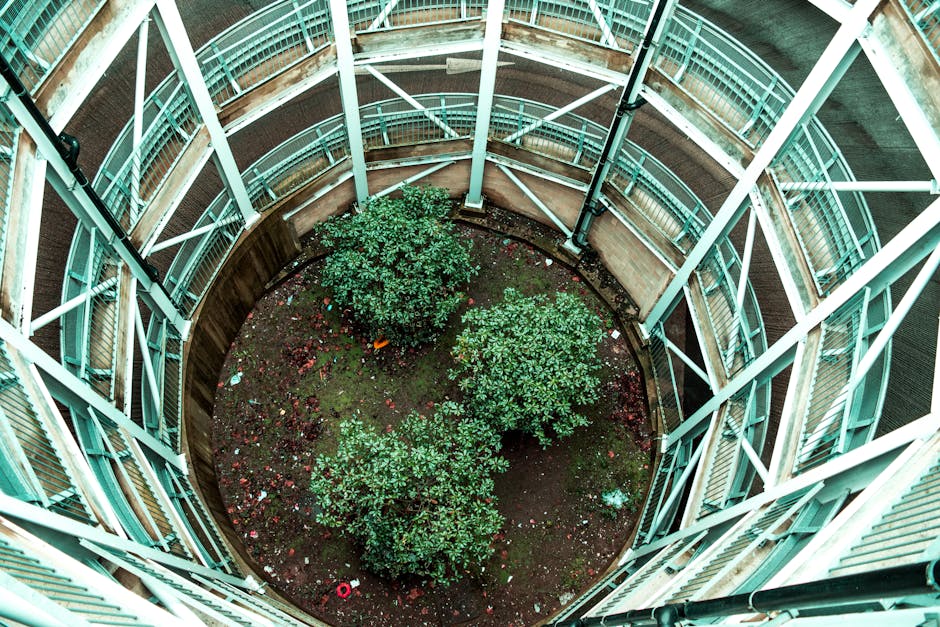
Common high rise garden access problems for Blackfriars gardeners
If you have ever tried to get compost, tools, waste bags, a mower, or even a ladder into a rooftop terrace or an upper-floor courtyard, you already know the issue: the garden itself may be small, but access can turn it into a proper logistical puzzle. That is the reality behind Common high rise garden access problems for Blackfriars gardeners. In a compact central London setting, the challenge is rarely the planting. It is getting people, equipment, and materials in and out without delays, complaints, or safety headaches.
Blackfriars gardeners often work around tight stairwells, lift bookings, concierge rules, restricted loading times, fragile communal areas, and weather that makes every trip just a bit more awkward than it should be. This guide breaks down the most common access problems, why they matter, and how to handle them sensibly. You will also find practical steps, a comparison table, a checklist, and a realistic example from the kind of jobs that come up again and again in high-rise settings. No fluff. Just the stuff that helps.
Table of Contents
- Why access problems matter in high rise garden work
- How high rise garden access typically works
- Key benefits of planning access properly
- Who this is for and when it makes sense
- Step-by-step guidance for smoother access
- Expert tips for better results
- Common mistakes to avoid
- Tools, resources and recommendations
- Law, compliance, standards and best practice
- Options, methods and comparison table
- Case study or real-world example
- Practical checklist
- Conclusion
- Frequently asked questions
Why Common high rise garden access problems for Blackfriars gardeners Matters
High rise gardening is not just regular gardening moved upstairs. Access affects almost every part of the job: how quickly a team can arrive, what equipment they can bring, how waste is removed, and whether the work can even be completed in one visit. In Blackfriars, where buildings can be busy, shared, and tightly managed, a simple hedge trim can become a multi-step operation if access is awkward.
Why does this matter so much? Because poor access usually means more time, more cost, and more risk. A gardener who has to carry heavy materials through reception areas, wait on a lift, or repeatedly walk long internal routes will spend less time actually working in the garden. That is not ideal for anyone. To be fair, most residents do not think about access until the day of the job. Then the bin bags are in the wrong place, the lift is booked by someone else, and the whole morning gets stretched out. You can almost hear the sigh.
It also matters because gardens at height often involve additional care. Watering systems may be delicate. Balconies may have load restrictions. Surrounding surfaces may be easy to scratch. And sometimes there is no spare room to stage materials once they have been delivered. A good access plan reduces all of that friction before the first plant pot is moved.
If you are comparing services, it is worth looking beyond the task itself and checking the provider's wider approach to safety and planning. Pages like services overview and health and safety policy can tell you a lot about how seriously a team treats the practical side of the work.
How Common high rise garden access problems for Blackfriars gardeners Works
Access issues usually fall into one of three stages: getting in, working safely, and getting out again. That sounds simple, but each stage can hide a lot of detail.
1. Getting people and equipment into the building
Gardeners may need to use a service entrance, concierge desk, loading bay, lift, or stairwell. Some buildings allow only pre-booked access. Others require ID, contractor sign-in, or temporary parking arrangements. If a mower, hedge trimmer, compost, or clearance waste needs to be carried by hand, the route itself becomes part of the job plan.
2. Working in the garden without causing disruption
Once on site, the team has to navigate narrow terraces, shared walkways, roof membranes, raised planters, and neighbouring windows. Noise, debris, soil, and water runoff all need managing carefully. Even a light garden maintenance visit can become messy if there is no safe place to store tools or collect cuttings.
3. Removing waste and tidying the site
High rise jobs often generate more waste than people expect. Cuttings, old soil, broken pots, dead plants, and packaging all have to come down the same route they came in. If the access route is slow or the lift is not suitable, waste removal can become the bottleneck. That is one reason services such as garden clearance matter in tall-building settings; they are often about logistics as much as labour.
There is also a subtle issue that people miss: timing. In some buildings, the access route works fine at 9:00 but not at 11:30 when deliveries, residents, and cleaners all overlap. So the practical question is not just, "Can we get in?" It is, "Can we get in at the right time, with the right tools, without upsetting half the building?"
Key Benefits and Practical Advantages
Getting access right brings more than convenience. It changes the quality of the job.
- Less wasted time: Teams spend less time waiting on lifts, keys, or permissions.
- Lower risk of damage: Narrow hallways, lift panels, and communal flooring stay protected.
- Safer working conditions: Fewer awkward carries and fewer improvised movements mean fewer accidents.
- Cleaner results: Proper access planning means less mess tracked through the building.
- Better communication: Residents, building managers, and gardeners all know what is happening and when.
- More predictable costs: Clear access usually means fewer delays and fewer surprises on the day.
There is a practical side to this that clients appreciate quickly. If a gardener arrives with a tidy route, the right kit, and a clear plan for waste removal, the job feels calm. The building feels calm too. And in a high-rise environment, calm is underrated. It really is.
If the work involves longer-term upkeep, arranging regular garden maintenance can help keep access manageable because the site never gets overloaded with overgrowth or accumulated debris. In some cases, that is the difference between a pleasant terrace and a constant carry-and-climb routine.
Who This Is For and When It Makes Sense
This topic matters to a few different groups, and the pain points are not exactly the same for each one.
Homeowners and tenants in apartment buildings
If you care for a balcony, roof garden, or shared outdoor space, access problems can affect routine jobs like watering, pruning, clearing leaves, or moving planters. It is especially relevant if you are managing the space yourself and do not have much storage.
Block managers and landlords
For managing agents, the focus is often on avoiding complaints, protecting communal areas, and keeping contractors moving efficiently. Poor access can lead to disruption in reception areas, damage claims, or jobs running over time.
Gardeners and contractors
For professionals, access planning is part of the service. A job may look straightforward from the outside, but if the lift is too small, the route is blocked, or the roof access hatch is awkward, the physical reality changes fast. If you work on these sites regularly, it makes sense to think about access before quoting, not after arriving.
It also makes sense when the garden is on a podium, a shared roof deck, or behind controlled doors where deliveries and contractor access are tightly managed. In those situations, you are not just scheduling gardening. You are scheduling a mini operation.
Step-by-Step Guidance
Here is a practical way to handle access for high rise garden work in Blackfriars without overcomplicating it.
- Map the route before the visit. Identify the entrance, lift, stairwell, service corridor, and final access point to the garden.
- Check building rules early. Ask about contractor sign-in, lift booking, noise windows, loading restrictions, and rubbish handling.
- List the equipment and materials. A small prune needs a different plan from a clearance, tree work, or full landscape refresh.
- Measure awkward points. Door widths, lift dimensions, and stair turns matter more than people think.
- Plan waste removal. Decide where cuttings, soil, and packaging will go before the work starts.
- Protect shared areas. Use covers, mats, and careful carrying where needed to reduce scuffs and soil marks.
- Build in a little time buffer. One delayed lift can throw off the whole job. Happens all the time, honestly.
- Review and adjust after the visit. Note what slowed the job down so the next visit is easier.
A good team will often combine access planning with broader work such as lawn mowing, hedge trimming, or tree lopping and removal when those tasks are part of a larger maintenance cycle. That way, the building is disturbed once, not repeatedly.
Expert Tips for Better Results
Over time, the same patterns show up again and again. A few simple habits make a big difference.
- Book access like you would book the gardening job. If the lift or loading bay needs reserving, treat it as essential, not optional.
- Use lighter, modular materials where possible. Smaller loads are easier to carry and far less awkward in lifts or corridors.
- Keep a dedicated "clean route" bag or tray. It sounds small, but it helps prevent soil from spreading through the building.
- Choose containers with handles. Your wrists will thank you later.
- Ask about emergency access and lockouts. If a route becomes unavailable mid-job, what is the backup plan?
- Photograph access limitations before quoting. A few photos can avoid a lot of crossed wires.
- Plan for weather at height. Wind on a roof terrace can move tools, dust, and light materials very quickly. Bit annoying, but predictable.
One small but useful observation: on some tall buildings, the slowest part of the job is not the work itself, it is the back-and-forth. If you can reduce the number of trips between street level and the garden, the whole experience improves. Less frustration. Less fatigue. Better quality finish.
For larger redesigns, it may also be worth discussing landscape gardening or landscaping in a way that makes the space easier to service later. Design choices can make access simpler for years, not just for one appointment.
Common Mistakes to Avoid
Most access problems are avoidable. The trouble is, people often assume the building will work itself out. It usually does not.
- Assuming the lift will be available. It might be booked, too small, or not suitable for heavy loads.
- Not checking for service entrances. The public entrance may be the worst possible route for garden work.
- Bringing the wrong tools. Oversized tools can create more access problems than they solve.
- Ignoring waste volume. A modest trim can still produce a surprising amount of cuttings and bags.
- Forgetting to protect communal finishes. Shared lifts and hallways are where complaints usually start.
- Failing to brief the client or concierge. If people are not expecting you, access slows down. Simple as that.
- Trying to "make it work" on the day. Improvisation has its place. In high-rise access, it is usually a last resort.
A classic mistake is treating access as an admin detail rather than part of the job scope. It is not admin. It is the job. If access fails, the gardening suffers, and the day gets longer than it should.
Tools, Resources and Recommendations
You do not need fancy kit to solve most access issues, but the right practical tools help a lot.
- Folding hand trolleys: Useful for moving tools, bags, and lighter materials through buildings.
- Protective floor coverings: Good for shared corridors, lift entrances, and indoor staging areas.
- Compact tools: Smaller hedge trimmers, hand tools, and lightweight watering kit are often easier in tight spaces.
- Sturdy reusable sacks or crates: Better for repeat transport than loose bags that split or sag.
- Site notes or photo records: Handy for remembering access constraints between visits.
It also helps to work with teams that explain what they need in advance. If you are comparing providers, the page on pricing and quotes can be useful because a sensible quote should reflect access conditions, not just the size of the garden. Transparency matters. Nobody likes a bill that suddenly grows legs.
For clients who want a fuller understanding of the business itself, about us is a sensible place to check how the company presents its approach, while insurance and safety helps reassure you that the practical risks are being taken seriously.
Law, Compliance, Standards and Best Practice
High rise garden access is not just about convenience. It touches safety, building rules, and professional responsibility. You do not need to know every detail of building management or contractor policy to ask sensible questions, but a few principles are worth keeping in mind.
First, garden work in shared residential buildings should respect site rules, fire routes, and communal access arrangements. That means avoiding blocked corridors, keeping doors secured where needed, and never assuming a shortcut is acceptable just because it is quicker. In practice, the building's rules and the client's instructions should guide how access is handled.
Second, safe manual handling matters. Repeated lifting through stairs or tight turns can increase the chance of strain or dropped items. Good practice usually means breaking loads down, using suitable trolleys where possible, and not asking one person to carry what really needs two.
Third, there is a duty of care around protecting shared property. Scratched lifts, muddy floors, damaged walls, or water leaks from badly managed planters can create disputes that are entirely avoidable with decent planning.
For a deeper look at how a business handles these expectations, the site's health and safety policy and accessibility statement are useful signals of how seriously access and inclusion are considered. Where payment or job terms are relevant, it is also sensible to review terms and conditions and payment and security so there are no surprises later.
Best practice is plain enough: plan the route, protect the building, keep communication open, and work within the constraints of the site. Nothing glamorous there, but it works.
Options, Methods, or Comparison Table
Not every access problem needs the same solution. Here is a practical comparison of common approaches.
| Access approach | Best for | Pros | Limitations |
|---|---|---|---|
| Lift-based access | Routine maintenance, small material loads | Fast, tidy, less physical strain | Can be restricted, booked, or too small for some items |
| Stair access | Small tools and light tasks | Reliable if the route is clear | Tiring, slower, and awkward for waste removal |
| Service entrance or goods route | Larger jobs, clearance work, repeat visits | Usually better for contractors and less disruptive | May require pre-booking or permission |
| Phased deliveries | Landscaping, planting, larger redesigns | Reduces congestion and overload | Takes more planning and coordination |
| Off-site staging | Big clean-ups or complex projects | Keeps the site clearer and safer | More handling, more time, sometimes more cost |
For many Blackfriars properties, the best answer is a mix of methods. For example, a small maintenance visit may use lift access for tools and stairs for the final carry, while a clearance job may be better split into planned removals. The point is not to choose the fanciest method. It is to choose the least awkward one that still keeps the site safe and efficient.
Case Study or Real-World Example
A fairly typical Blackfriars scenario goes like this. A resident wants their roof terrace cleared, replanted, and tidied before the season changes. The garden itself is only medium-sized, but there is a catch: the only practical route is through a managed entrance and a lift that is also used for residents.
On paper, the job looks like an ordinary maintenance visit. In reality, the team needs to coordinate a lift booking, confirm sign-in at reception, bring compact tools rather than bulky kit, and plan waste removal so it does not block the shared hallway. The planter bags, dead growth, and old compost all need to come down again without causing a trail of mess through the building. Slightly more faff than expected, as people say.
What made the job work? Preparation. The access route was checked before arrival. Materials were kept light. The team used a simple sequence: bring up tools, complete pruning and planting, bag waste as they go, then remove everything in one tidy exit. No rushed improvisation, no guesswork, no wandering around looking for a door that should have been labelled better.
The resident got the finished terrace they wanted. The building manager got no complaints. And the team avoided the kind of delay that can eat an afternoon. That is really the whole game.
Practical Checklist
Use this before any high rise garden job in Blackfriars. It saves time more often than not.
- Confirm the exact garden location and route from street level
- Check whether a lift, service entrance, or stair route will be used
- Ask if contractor sign-in, ID, or advance notice is required
- Measure or verify doorway, lift, and corridor constraints
- List every tool, bag, and material needed for the visit
- Plan how waste will be removed from the site
- Protect floors, lift interiors, and shared walkways if necessary
- Check if there are quiet hours, delivery windows, or resident restrictions
- Identify a backup plan if access is blocked or delayed
- Leave notes for the next visit so the route is even smoother
Expert summary: In high rise gardening, access is not a side issue. It shapes cost, timing, safety, and finish quality. If the route is planned well, the work feels easier, the site stays cleaner, and everyone has a far less stressful day.
Get a free quote today and see how much you can save.
Conclusion
Common high rise garden access problems for Blackfriars gardeners are usually not dramatic, just annoyingly practical. Tight lifts, shared entrances, awkward stairwells, restricted timings, and waste removal challenges can all turn a straightforward garden task into a careful operation. The good news is that most of these issues can be reduced with planning, clear communication, and the right equipment.
If you are managing a terrace, balcony, or rooftop space, the smartest thing you can do is treat access as part of the garden itself. Once you do that, the whole process becomes easier to organise and much easier to live with. And honestly, that small shift in thinking saves a lot of grief.
For a company that understands the practical side as well as the gardening side, it helps to explore the broader service pages, check the safety information, and ask the awkward questions before the job begins. A good plan up front is worth its weight in compost.
In the end, the best high rise gardens are not just beautiful. They are manageable, safe, and quietly well organised. That is what keeps them working all year round.
Frequently Asked Questions
What are the most common access problems for high rise garden jobs?
The most common issues are blocked or booked lifts, narrow stairwells, limited loading areas, restricted contractor entry, and awkward waste removal routes. In shared buildings, timing can be just as challenging as the physical access itself.
Why does access affect the cost of garden work?
Because difficult access usually takes longer, requires more carrying, and can demand extra planning or protection for communal areas. That does not automatically mean the job is expensive, but it can influence the quote.
Can gardeners bring large tools into high rise buildings?
Sometimes, yes, but it depends on the lift size, route, and building rules. Compact tools are often easier and safer. For many jobs, smaller kit is simply the smarter choice.
How should waste be handled in a high rise garden?
Waste should be bagged or contained properly, then removed using the agreed route so it does not soil communal areas. For heavier or bulkier waste, it is often better to plan removal in stages rather than leave it until the end.
Do I need to book the lift in advance?
In many managed buildings, yes. It is one of those details that sounds minor until the day arrives and the lift is unavailable. Checking this early saves a lot of hassle.
What should I tell a gardener before a high rise visit?
Tell them the building access route, lift restrictions, opening times, site rules, waste handling expectations, and any awkward features such as locked doors or narrow corridors. Photos are often helpful too.
Is balcony gardening different from roof terrace maintenance?
Yes, quite a bit. Balconies often have tighter weight and storage constraints, while roof terraces may involve more complex access routes and stronger weather exposure. The basic gardening may be similar, but the logistics are not.
How can I reduce disruption to neighbours?
Keep the work within agreed time windows, avoid unnecessary trips through shared spaces, protect floors and walls, and communicate clearly. A tidy, well-timed visit usually causes far fewer complaints.
What happens if the access route is blocked on the day?
A good contractor should pause, reassess, and look for the safest alternative rather than forcing the job. Sometimes the best option is to reschedule or split the work into smaller visits.
Are there special safety concerns for high rise garden work?
Yes. Manual handling, slips, trips, falls, wind exposure, and damage to communal property are the main ones. Good planning, suitable equipment, and clear site rules make a real difference.
What kind of garden jobs are most affected by access issues?
Clearance work, hedge trimming, tree work, heavy planting, and larger landscaping projects are the most affected because they involve more material movement. Even routine maintenance can be slowed down if the route is poor.
How do I know if a gardening company understands high rise access properly?
They should ask practical questions before quoting, talk through the route and timing, and show awareness of safety and building restrictions. If they only ask about the garden size and nothing else, that is a bit of a red flag.